THE REASONS WHY - Guatemala
How we made sense of where to relocate to start a family in Guatemala and not Northern Europe.
Two futures sat in front of us. For some years we went back and forth with my wife, trying to determine where we could best guarantee the best outcome for our young family.
The option was Europe, specifically Stockholm, although given the Schengen plan, the option was open. Or Guatemala, my home country, with all its flaws and blessings.
Sweden would have given us a safety net and systems that actually work. Transport, public swimming pools, infinite forest trails, frosty autumn, a white Christmas and the delights of a first-class city one hour train ride away.
I still do miss Stockholm, its winters and quiet. I doubt that will ever go away; it was, after all, a trade-off and, as part of that, a sacrifice to some extent. But as a husband, as a father, it stops being about you. That part is simple.
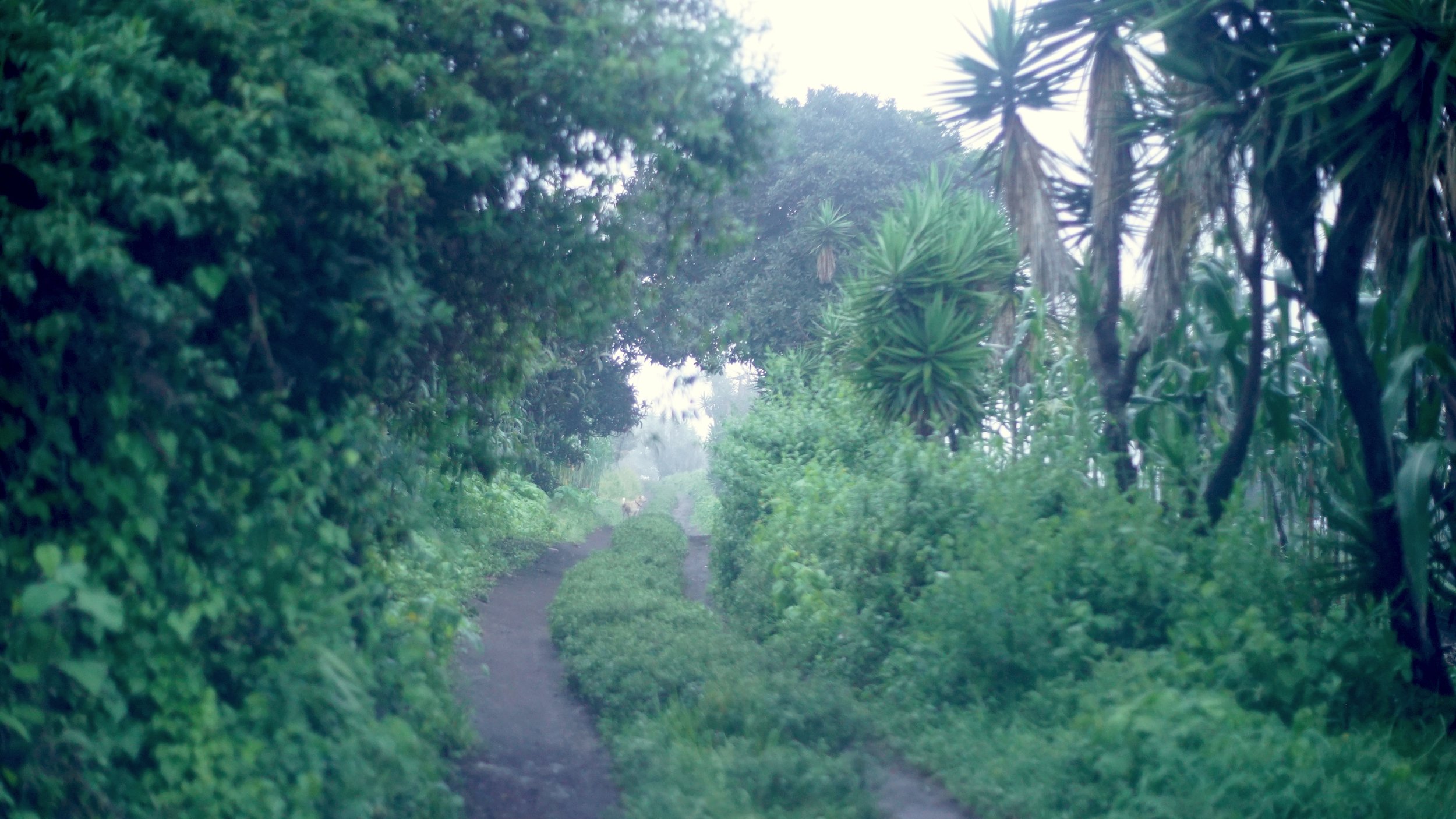
We chose the uncertainty of Guatemala, with its dusty mountain roads during the dry season and heavy showers during the rainy months. We chose it as our best possible option given our expectations for the future of our family—a choice made analytically just as it was romantic in its own free-falling way.
These are the reasons why.
TAXES & ACQUISITION POWER
Lower taxes meant we could keep more; that was a 5% income tax in Guatemala vs. the 55% (municipal + national tax + employer) + 25% VAT in our Nordic option. This was important for us as we wanted to grow as a one-income family. Being a one-income household in Nordic Europe is reserved only for the very wealthiest individuals; even culturally, it’s not really a thing.
Lower taxes propelled our dreams: more available income to grow, build, purchase, invest, and save. Dreams are only achievable through lower taxation and less red tape.
2. CHOICE IN EDUCATION
Nordic countries offer free education; depending on your municipality and school choice, the level can be excellent. And sometimes it is not. Also, small detail, homeschooling is illegal in most of Europe.
Knowing we wanted to homeschool our children made a difference in our choice. For more on this, see previous posts.
3. THE POSSIBILITY TO BUILD
I grew up in a middle-class house and fincas, running up and down ravines, with a lime tree in the backyard. I lived for some time in small, cooped-up apartments in Canada, and it was fine at the time—I was 22 years old. Not anymore. I couldn’t do it if you paid me. To imagine paying for a small apartment for 20 years would be the death of me, much less trying to grow a family in 45 square meters of thin walls and an uninspiring view outside.
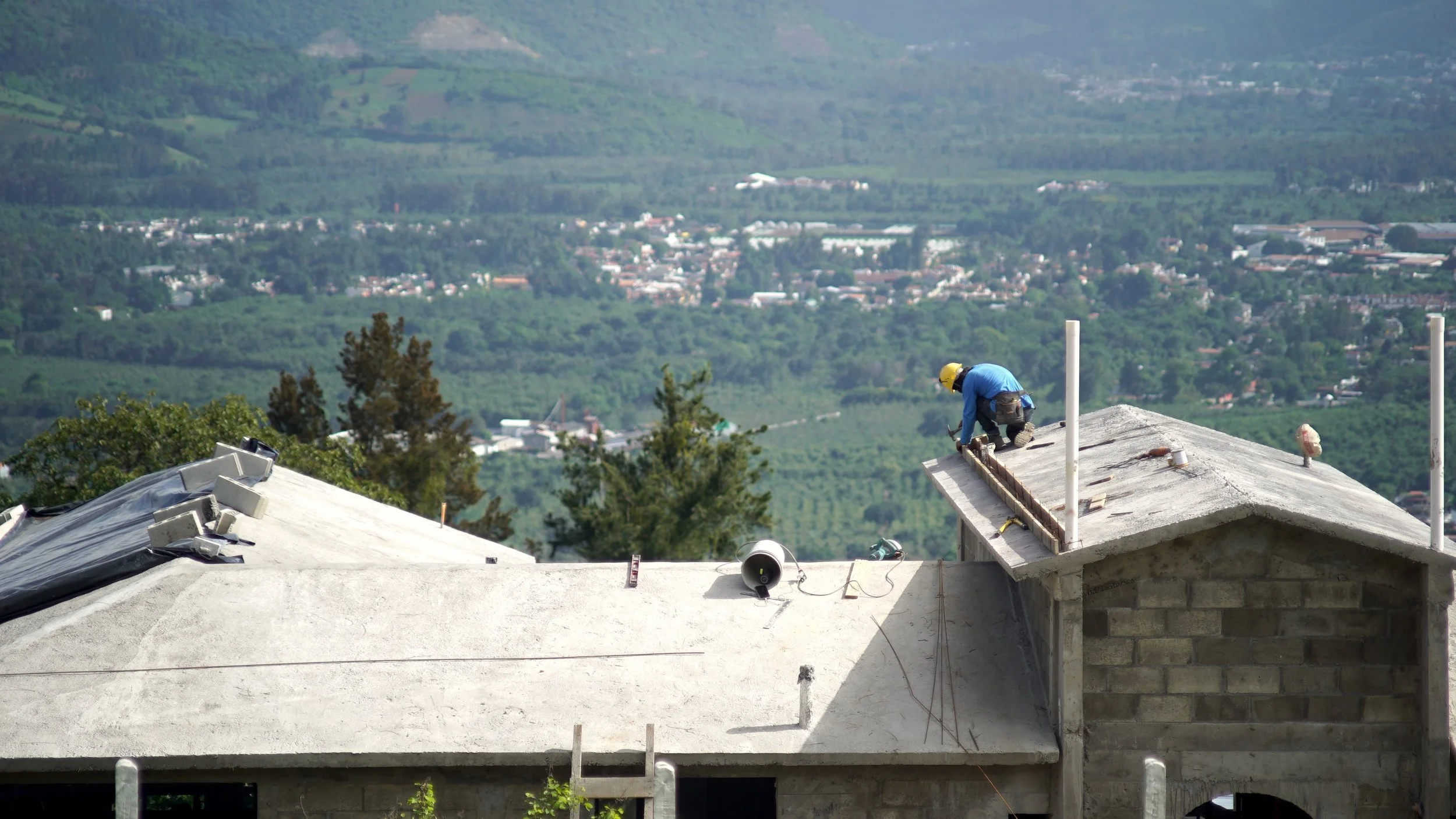
Renting in Northern Europe is expensive; buying, almost impossible. Labour costs and regulations make it a possibility reserved only for the elite. In Guatemala, we could aspire to larger plots of land, a variety of materials, good-quality labor, and fewer permits. Building your own house in Guatemala is still feasible—less so than one generation ago, but still an option.
4. HELP AT HOME
Dress the babies. Feed the children. Play with them. Dress them again. Pack the diaper bag. Come back, nap time. Wake them up. Play with them. It’s lunchtime. Read a story to them. Izzy, don’t hit your baby brother. Get them ready for a walk. Play at the park for a while. It’s bath time. Play with them. Milk time, story time, they’re not tired. Play with them again. Izzy, be nice to your baby brother. Let’s go for a drive. It’s a lot, it’s sometimes too much. It wasn’t supposed to be this overwhelming—and that’s true. There was supposed to be a wide and kind support network of family and friends to help you out, except there isn’t. And there won’t be, no matter if you have 2, 3, 4, or 5 children—help isn’t coming. We have somehow normalized that only parents are responsible for the care and rearing of children; it’s not healthy and it’s not sustainable.
In the absence of extended family, no family can grow without additional help. We are blessed beyond words to have found wonderful and loving people that we trust and who love our children. Finding and affording help at home—in the form of nannies, cleaners, and cooks—is a privilege that we are grateful for every single day of the year. Few places on earth would allow us to do that except for this wonderful country.
5. WEATHER
I personally love cold weather, but even for me, six months without the sun is a tough sell.
The eternal spring of Guatemala, the chilly mountain air in the morning, warm noon sun, and no need for heating inside the house—even in January—is the perfect compromise. It allows us to grow orchards, fruits, and vegetables year-round.
Solar panels also work year-round at nearly full capacity. Off-grid life becomes practical, not punishing. Instead of a labor of survival, you get to actually enjoy it.
6. ACCESS TO ORGANIC FOOD
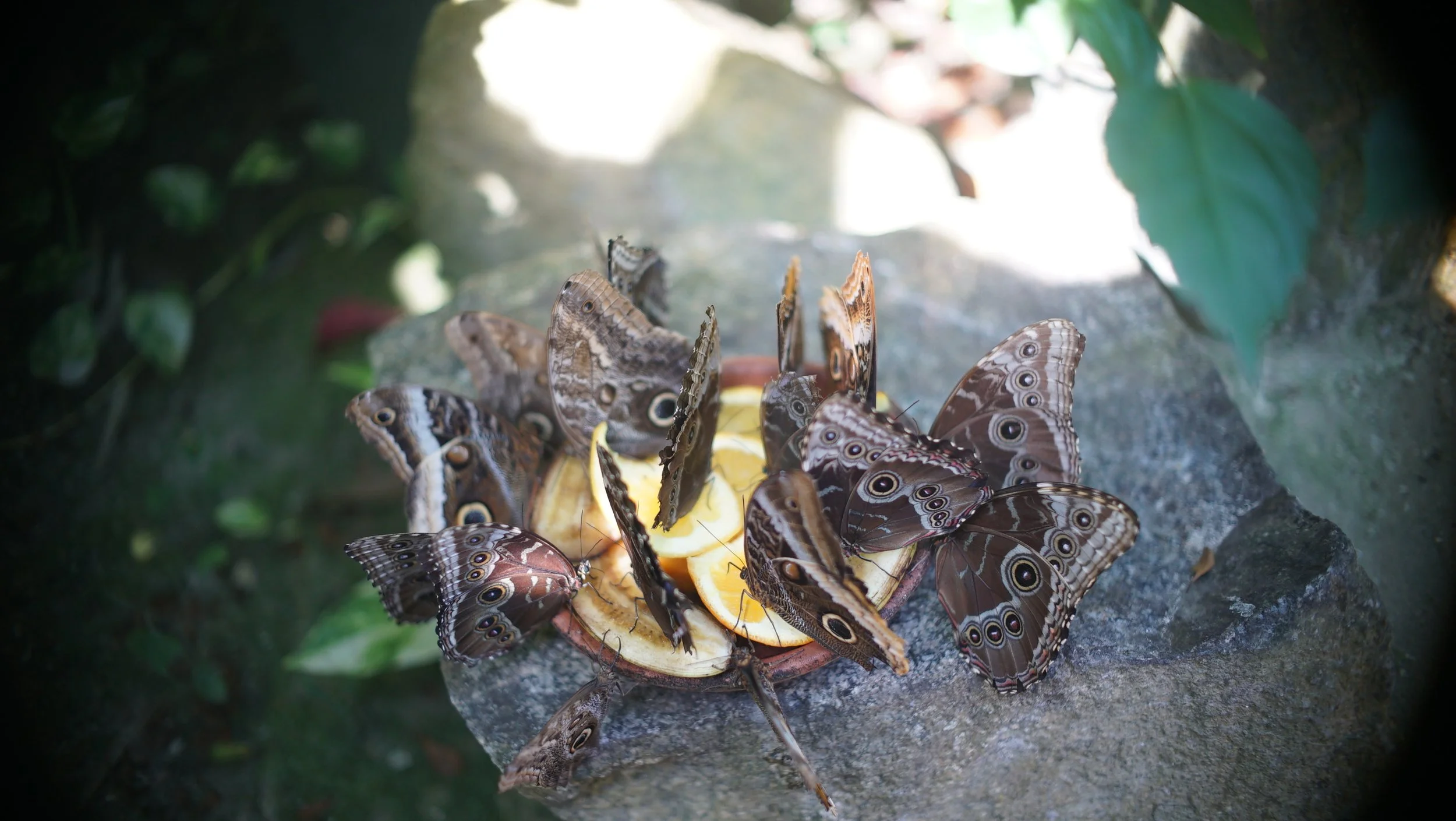
Lack of regulation means more freedom of choice, even with food. If you are diligent and smart, you get access to some of the best organic food on the planet. The localist economy of Antigua in particular is highly diversified and specialized, which guarantees a stable supply of staple organic ingredients always accessible.
Our raw milk comes from Clarisas or Carmona, depending on the degree of fat we desire. There are local markets and producers in abundance in every small village around the town. Cinco Azul delivers home twice a month; Caoba Farms is just around the corner.
Real wealth can also be measured in how you feed your family. Real health starts back home, in your kitchen.
7. SAFETY
Violence in Guatemala is targeted. Steer clear of danger and have enough common sense or street smarts, and statistically speaking, nothing will come to you.
Violence in Europe is different; it is more random and growing by the year. Safety in the Nordic countries is not what it was in the 80s and 90s. Demographic change, the apparition of no-go zones, and imported organized crime have, until very recently, upended the European lifestyle and present.
My children will be as safe here as anywhere else if, as a parent, I do a good job preparing them for any situation they might encounter. But that is up to me. Accepting responsibility for my family’s safety is my job, and certainly not a stranger’s—much less a bureaucrat’s.
8. THE RIGHT TO SELF DEFENSE
It is my duty and responsibility as a father and husband to protect my family from threat and harm. The right to self-defense exists in only very few countries in the world. The right before a court of law to defend myself for exercising that right, and the ability to purchase, own, and carry firearms, is a privilege very few other countries can count on. Prepare accordingly.
9. PRIVATE HEALTH SYSTEM
Free healthcare sounds great until you start accounting for the dimes and nickels that are expropriated to support an expensive and ever-growing “free” healthcare system. Expect long queues, waiting times measured in weeks and months, and depersonalized consulting in every area. If you have the means to opt for private healthcare in Guatemala, then services can be as good as, if not better than, in developed nations—it’s just expensive. As expensive as Nordic taxes? Depends on your age, lifestyle, and general health.
10. PRIVATE PENSION SYSTEM
The public pension system is a pyramid scheme, or simply put, state-sanctioned fraud. Also, you get taxed on it once you hit the ever-changing goalpost of the retirement age. My generation will most likely never reap the alleged benefits of retirement.
Keeping more of your hard-earned income allows you to invest and quite possibly beat the limited financial windfall of public pensions in terms of return.
11. LAISSEZ-FAIRE LIFESTYLE
If you’re into autonomy, self-reliance, self-sufficiency, self-governance, moderated anarchy, and distance from centralized authority, Guatemala is a good bet. The trade-off here, of course, is lack of basic services, corruption, and general incompetence of local government.
The big win is that the government will, in general, have very little to do with you. Marginal contact will come at times, but it will be momentary, if not tedious. They leave us alone in exchange for lower taxes and the understanding that we are to fend for ourselves and have the capacity to provide.
12. FAITH
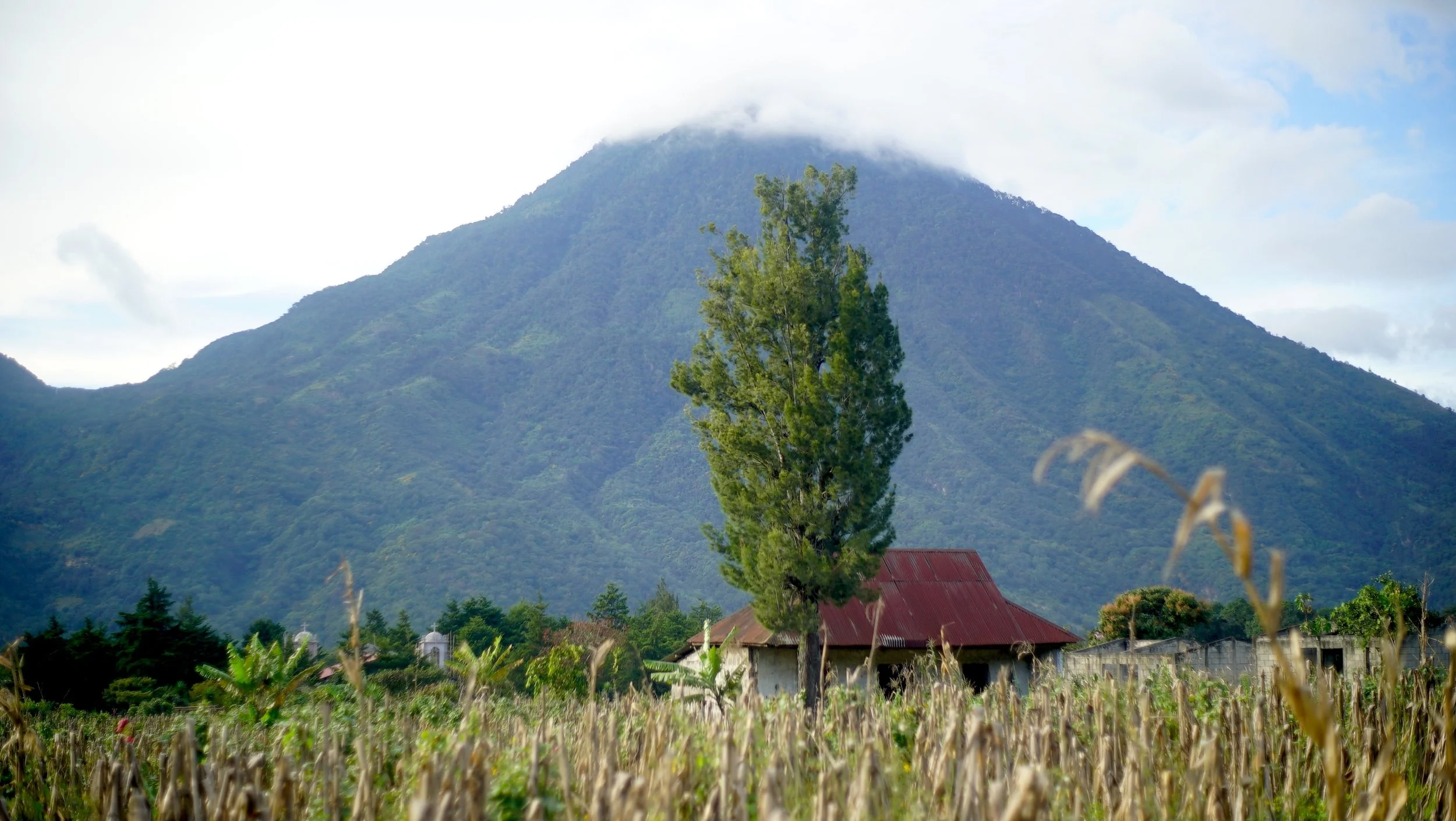
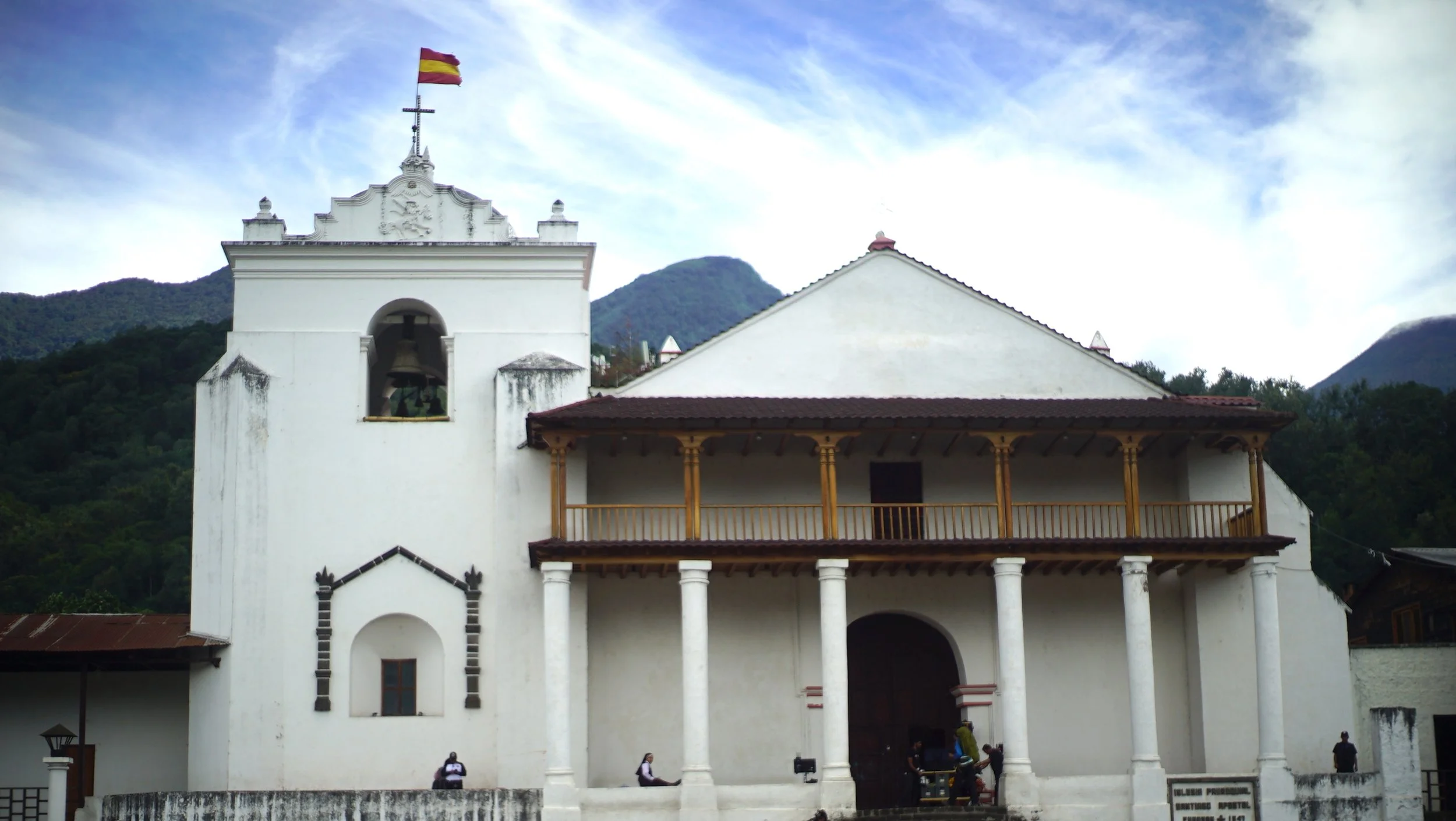
Perhaps this should be first, because it always is. It is no secret European societies are notoriously secular. For our family, living in a country full of people of faith, surrounding ourselves with devotion was imperative. Antigua Guatemala specifically is surrounded by cathedrals, churches, convents and chapels. Easter week in Guatemala goes beyond just a national holiday but is revered as an opportunity of prayer and repentance. There is a type of legacy that is impossible to quantify and purchase, centuries old traditions that are here still alive and thriving. Faith is the true bloodline of a community, good and evil are not a concept of fiction, faith is the bond of trust that allows for families to flourish.
***
Making the choice to move to Guatemala and relocate our life here was not easy. A lot of thinking, planning, and double-checking had to happen before we made the call. We still talk about it—constantly: how we foresee the immediate future and what that entails; the temptation to hypothetically compare and contrast the path less taken is ever-present.
However, Guatemala has already afforded us something less than 1% of our generation has. We must be grateful to this land and its people for making that possible—and accept the cost of our choices as well. For those, we mentally prepared ourselves: short-term sacrifice, mid-term preparation, and long-term benefits. I do not blame many people for not understanding or for having differences of opinion, but seeing how the world is rapidly transforming before our very eyes in ways that, 7 years ago, we would have considered frankly impossible or unbelievable, it was the right time to take a gamble. And it is just that—the higher the risk, the higher the compounded reward.
In short, we were searching for a dream—an American Dream, a European Dream. Something that our grandparents pulled off, what our parents managed just in time, and what is now harder for our generation. We ended up living the Guatemalan dream, one day at a time, doing our best to navigate life in the subtropics and the uncertainty of our times. So far, I’d say we made the right choice.
