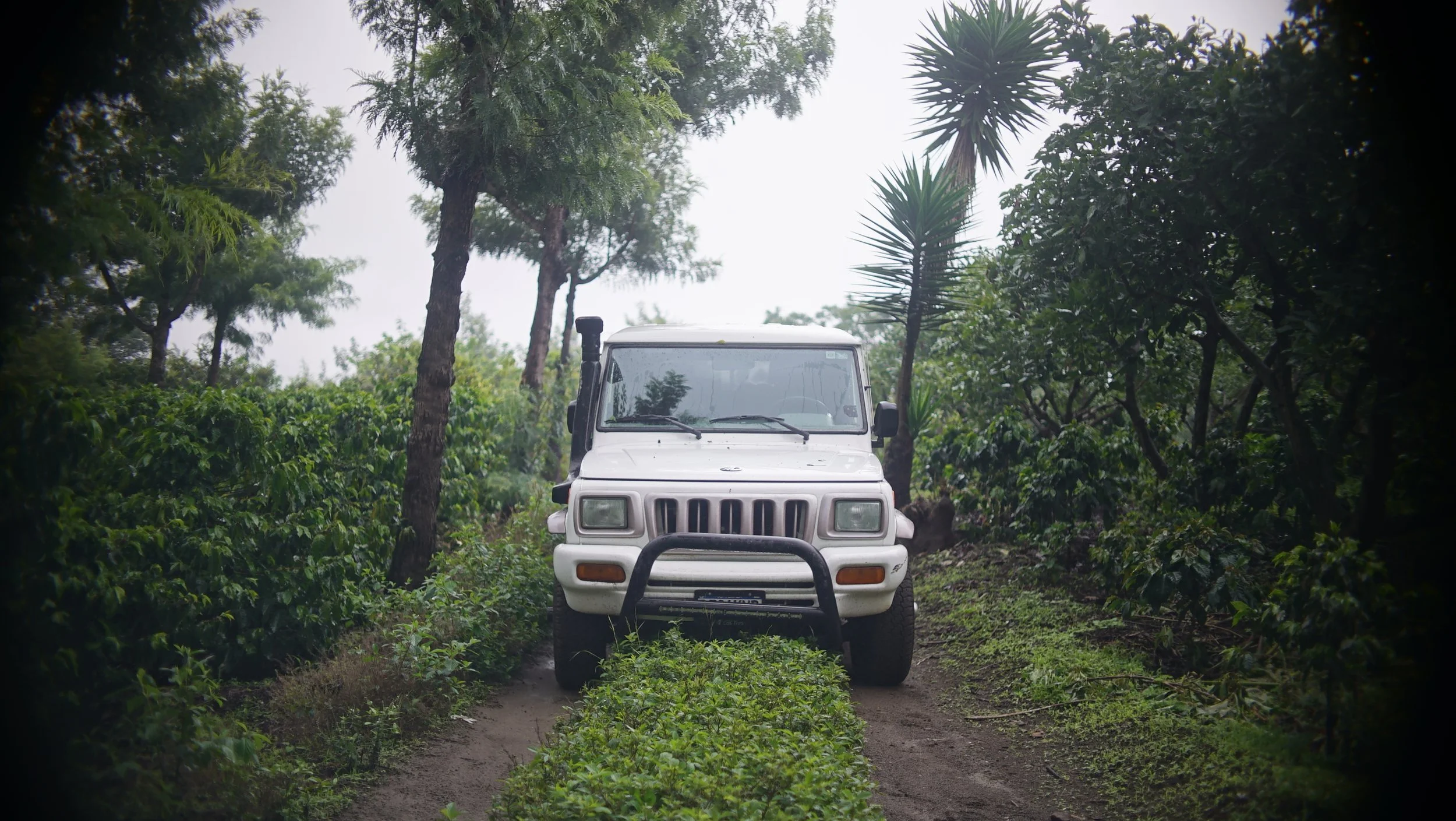
Choosing a 4x4 Truck for Off-Grid Life in Guatemala
The brochures lie.
They sell you leather seats, touchscreens, and horsepower you will never use. They show clean roads, soft light, and men who have never had to turn a wheel in mud deep enough to swallow it.
That is not Guatemala.
Guatemala’s roads are infinite in what they demand. They punish carelessness and expose weakness. They test endurance, judgment, patience, and sometimes faith itself. This is not an article for city dwellers looking for a lifestyle accessory. It is for those whose truck will decide whether life off grid is possible at all.
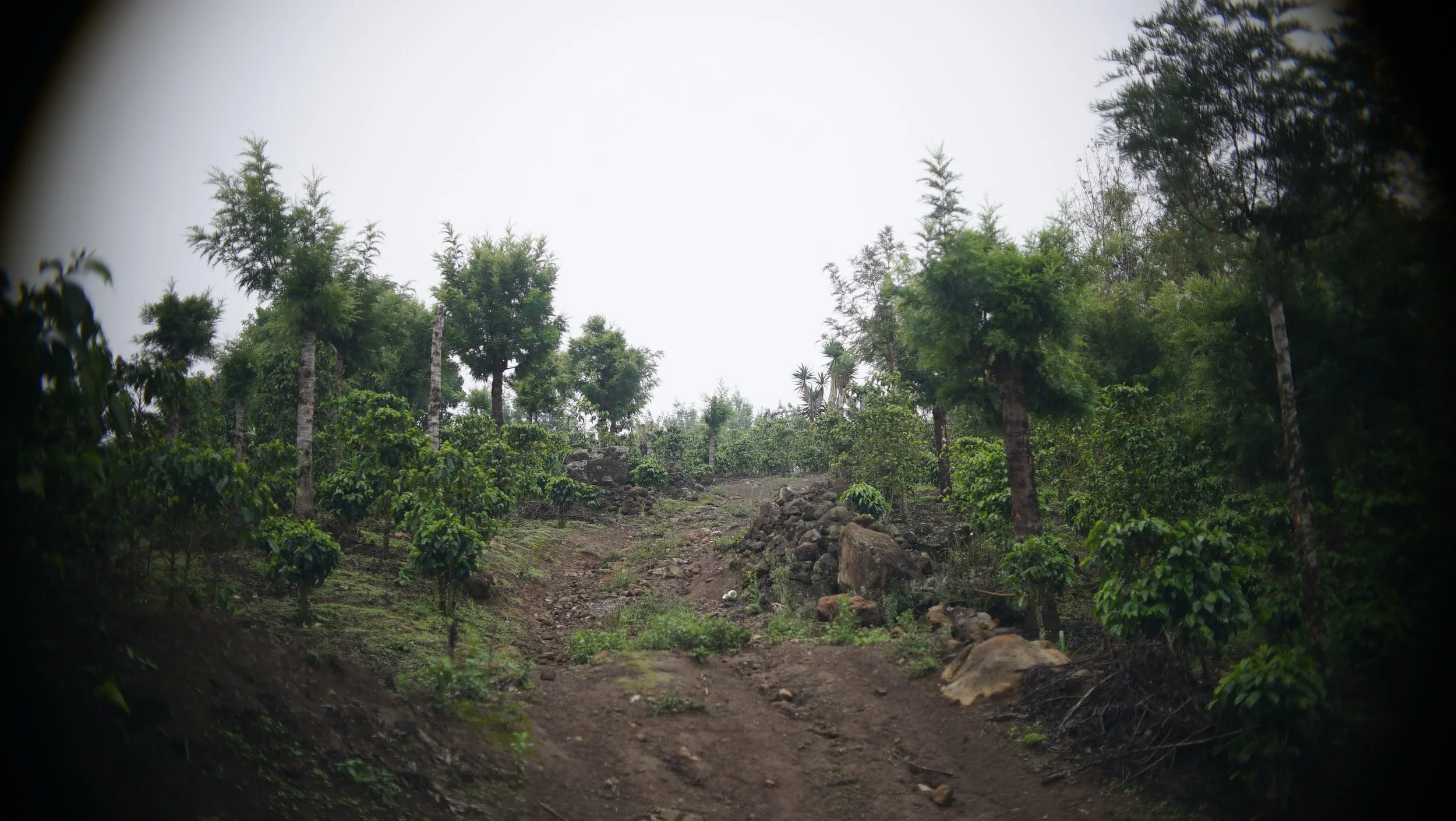
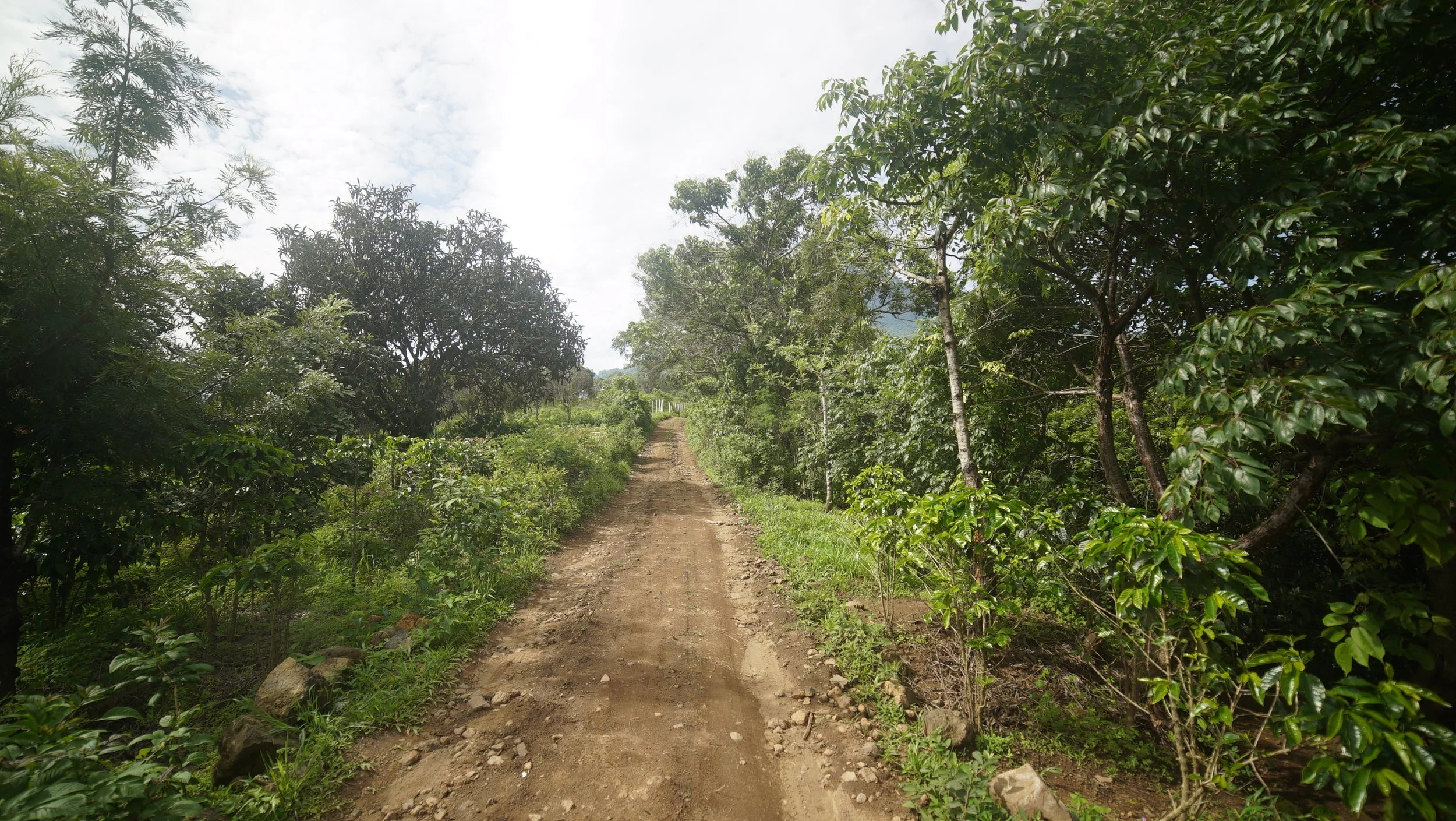
Guatemala is steep. It is wet. It breaks things. Roads dissolve during the rainy season. Hills turn to clay. Culverts collapse. Volcanic ash infiltrates everything. A “shortcut” becomes a test of faith somewhere between a landslide and a river crossing.
And somewhere, always, you are an hour—maybe three—from the nearest mechanic who can actually fix what just failed.
So let’s get something straight.
There is no serious off-grid life in Guatemala without a 4x4 truck, or at the very least, a sturdy AWD vehicle capable of surviving bad terrain year-round.
A good 4x4 pickup in Guatemala is not the best truck.
It is the truck that keeps moving when everything else stops.
This article will focus on pickups specifically. AWD vehicles, side-by-sides, and ATVs deserve their own discussion. EVs and hybrids are omitted entirely—not because they are bad, but because they remain too rare in Guatemala to seriously evaluate for long-term off-grid use.
THE FIVE RULES TO LIVE BY
The First Rule: Reliability Is Survival Out here, reliability is not a feature. It is the whole game.
Reliability means the truck starts when it must start. It means enough power to climb when the road turns ugly. It means confidence that the machine beneath you will tolerate abuse without collapsing into a mechanical tantrum.
There is a reason much of Guatemala is jokingly called “Toyotaland” or “Toyotenango.”
“By their fruits ye shall know them.”— Matthew 7:16
Older Toyota trucks earned that reputation honestly. They proved themselves over decades of punishment. They are more expensive than competitors, yes, but that premium comes attached to something difficult to manufacture: trust.
The legends surrounding the older Toyota Hilux models from the 1990s and early 2000s are mostly true. Those machines crossed mountains, hauled impossible loads, survived civil conflict, and kept going with little more than basic maintenance and stubbornness.
Newer models, however, feel different. More refined. More computerized. More comfortable. But often less raw, less mechanical, less immortal.
Fortunately, there are now more options than ever.
The Second Rule: Simplicity Beats Sophistication
Modern trucks are computers on wheels. Sensors. Screens. Software layered on software.
And they work beautifully—until they don’t.
A dead sensor disables a system. A disabled system disables the truck. Now you are stranded on a muddy incline, in the rain, staring at a dashboard full of warnings while the mountain slowly reminds you how far you are from help.
So choose simplicity.
Mechanical 4x4 systems
A real low-range gear
Fewer electronics
Fewer failure points
Manual transmission if possible
The fewer systems between you and the machine, the better.
Because in the end, the best truck is the one you can understand—and the one a local mechanic can repair with tools instead of software.
The Third Rule: Parts are everything
No one talks about this when selling you a truck.
They talk about towing capacity and horsepower. They do not talk about waiting three weeks for a replacement sensor to clear customs.
In Guatemala, there is a hidden economy that determines whether your vehicle survives long term: the parts network.
The Toyota Hilux and Tacoma dominates this ecosystem. Parts are everywhere. Used, aftermarket, original, salvaged. Entire markets exist to keep these trucks alive indefinitely.
Compare that to something like the Ford Ranger. A solid truck. More comfortable. More refined. But when something breaks, the path to repair is often longer and more expensive.
And then there are the outliers—the trucks that look impressive, drive beautifully, and sit motionless for weeks because no one can source a critical part.
Your truck is only as strong as the nearest parts shelf.
Availability also means preparedness. A proper off-grid owner stockpiles the failures most likely to strand them:
diesel fuel filters,
air filters,
oil filters and engine oil,
accessory belts,
radiator hoses and clamps,
brake pads,
wheel bearings,
suspension bushings,
shock absorbers,
U-joints,
relays and fuses.
These are just to start with. The idea is to have enough to avoid catastrophic failure.
The fantasy of off-grid life is freedom. The reality is maintenance. Machines decay. Roads punish. Moisture corrodes. Dust infiltrates everything.
And the people who thrive out there are not the ones with the fanciest trucks. They are the ones prepared for failure before it happens. A good stockpile is not paranoia. It is independence.
The Fourth Rule: Torque matters more than power
Forget horsepower numbers. They are made for highways. You are not on a highway.
You are climbing wet volcanic clay. Crawling through washed-out roads. Hauling lumber uphill while a loaded truck fights for traction one wheel at a time.
This is why diesel engines dominate rural Guatemala.
They give you torque low in the rev range. They pull instead of sprint. They work with the terrain instead of fighting it.
What matters is force delivered slowly, predictably, and reliably over terrible ground.
The Fifth Rule: Geometry decides everything
There will be a moment—there is always a moment—when the road disappears into rock, mud, or a washed-out trench. And in that moment, your truck’s shape matters more than its engine.
Ground clearance in king here. Approach angle. Departure angle. Suspension travel.
These are not specs for enthusiasts. They are the difference between continuing forward and spending the next hour digging mud out from beneath your tires.
A truck that sits higher, with better angles, can take a bad line and survive it. A lower truck, or one built for comfort, will scrape, hang, and stop.
And once you stop in mud, you are no longer driving.
You are digging.
THE OFF-GRID TEST
Can the truck:
carry 1,000 liters of water,
climb wet volcanic terrain,
survive contaminated diesel,
fit through narrow mountain villages,
find replacement parts within 48 hours,
and still start after weeks of hard use?
If not, it is not an off-grid truck.
BRANDS
Time-Tested Legends
The Japanese manufacturers that arguably helped build modern Guatemala:
Toyota, Isuzu, Mitsubishi, Mazda, Nissan.
These became farm trucks, construction trucks, military trucks, family trucks. They survived overloaded roads, mud seasons, bad fuel, and decades of abuse.
Showboaters
The traditional American and European brands increasingly focused on larger, heavier, more luxurious models:
Ford, Chevrolet, RAM, Jeep, Volkswagen.
Comfortable. Powerful. Often excellent.
But also larger, more complex, and harder to repair in remote areas.
Newcomers
Brands newer to the Guatemalan market that have made surprisingly strong impressions:
Mahindra, Kia.
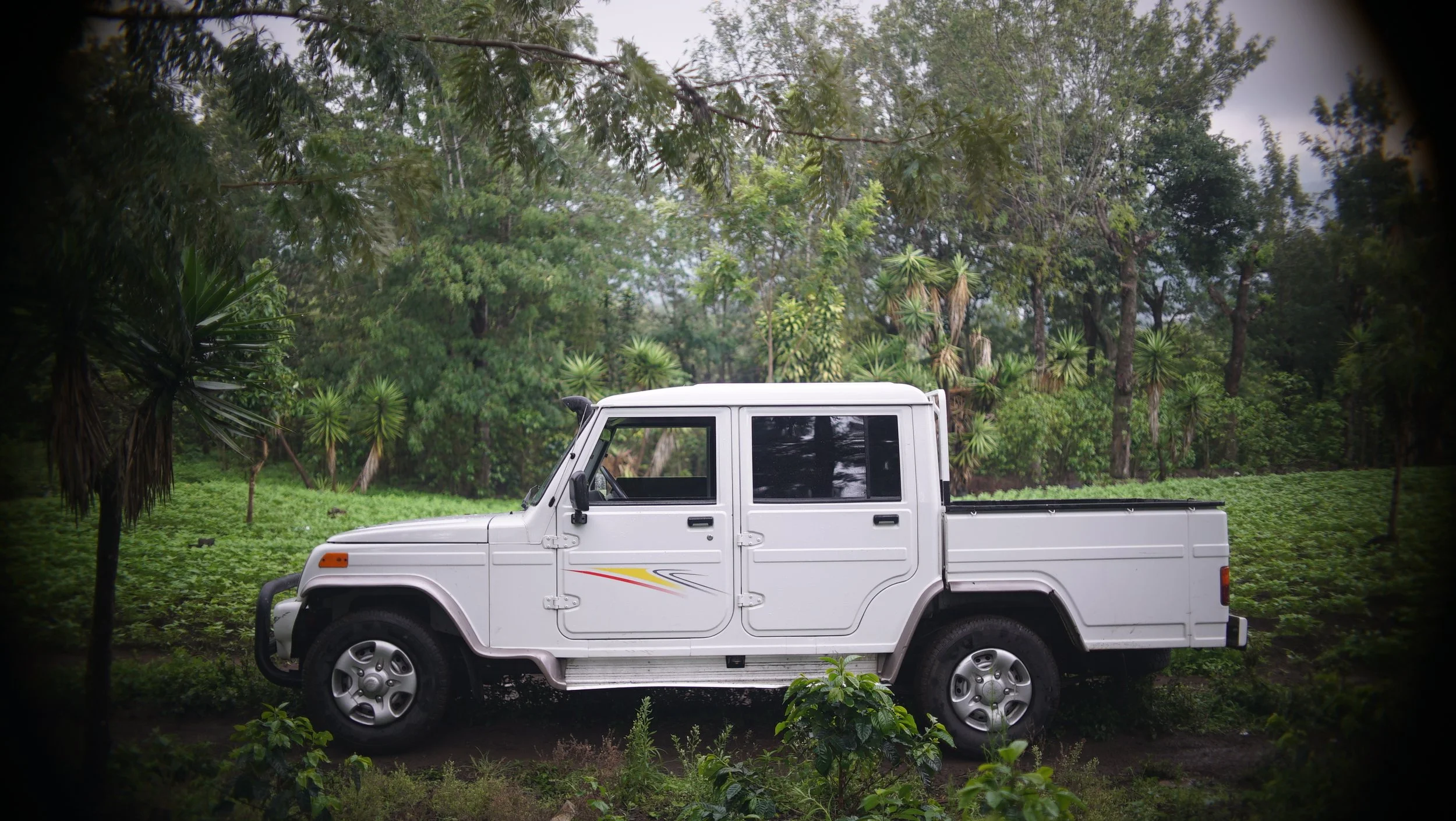
The Mahindra trucks in particular have quietly earned respect as inexpensive workhorses: slow, uncomfortable, basic to a fault—but durable.
The Chinese Flood
Chinese manufacturers have flooded the market with cheaper trucks packed with technology:
Great Wall Motors, Changan, Dongfeng, JAC Motors, among many others.
Some have surprised owners with durability.
But parts availability remains their Achilles’ heel.

OTHER CONSIDERATIONS
Year
Older trucks were built differently. Different materials. Different expectations. Simpler engineering.
The older the truck, the better—provided parts remain widely available.
Used or New
A true work truck will be scratched, dented, overloaded, and abused sooner than expected.
A good used truck often makes more financial sense than a pristine new one.
Cargo Capacity
A useful benchmark is whether the truck can safely carry a 1,000-liter water tote cube—roughly 1,000 kilograms or 2,205 pounds.
If it can carry water reliably, you already have a capable foundation.
Pay attention to flatbed dimensions and wheel well placement. Poor cargo geometry places enormous strain on rear suspension systems.
Width
You don’t often think about width when thinking about purchasing a truck. But anyone that has visited small Mayan villages will attest to the maze of narrow streets and impossible bends in front of you. Same thing goes for off road trails and communal less trodden paths, they can be surprisingly narrow. Bigger and newer trucks will just not make it through, know your terrain and its particular demands before settling for a vehicle.
Hooks
Many newer trucks lack proper external tie-down points.
That matters more than people think.
WHEELS
An added bonus on a good truck is if it already comes with a good set of off road tires. A quality set of all-terrain or mud-terrain tires may matter more than extra horsepower.
Depending on your driving needs these will be either fully meant for off road requirements or made for the highway, or a point in between. Good brands to look out for a Yokohama, the holy grail of off road tires, expensive and hard to find too.
Accessories
Most off-road accessories are vanity.
Some are essential.
A durable front bumper matters. A bed liner matters. Rear window protection matters.
A snorkel may only matter once in your life—but that one river crossing could justify it forever.
Build the truck for your roads, not someone else’s fantasy.
CONCLUSIONS
Know who you are before you choose. Not every off-grid life is the same. And not every truck should be.
There is the workhorse. The one that carries tools, feed, lumber. It lives on rough roads and asks for nothing. This is where the Toyota Hilux and the Isuzu D-Max belong. If you want to go safe go Toyota, every mechanic in the country will know the inside outs of your vehicle.
There is the hybrid. Part city, part land. It needs to be comfortable enough for long drives but capable enough to leave the pavement. This is where trucks like the Ford Ranger or the Volkswagen Amarok come in.
And then there is the survivor. Older. Used. Maybe a little worn. But proven. A truck that has already lived a hard life and is ready for more.
But if you want to try something different there are now more options on the market than ever. Mahindra as a work truck has surprised me in its durability and strength, slow, unconfortable and basic to a fault but it will get the job done and for a fraction of the price as its competitors. Any of the other Japanese brands are always a good bet. I have seen Chinese trucks take a beating for over a decade and they still tug along, however parts availability will always be their Achilles heel.
The mistake is trying to make one truck do everything perfectly. The goal is to choose one that fails the least where it matters most.
Because the right pickup in Guatemala is not the one you love driving.
It is the one that gets you home when the road disappears.